How a lithophane works
Lithophanes started as thin porcelain panels in 1820s Europe, carved in wax and cast, and held up to a window or a candle. The printed version works the same way. The photo is turned into a height map: dark parts of the image become thick plastic, bright parts become thin plastic. Light shining through a thin spot comes out bright, and a thick spot blocks it and looks dark.
Unlit, it looks like a white panel with a texture you can just about make out. Put a light behind it and the photo shows up in warm shades of white and grey, with more depth than a print on paper because the light is coming through the plastic.
Picking a photo that prints well
This decides most of the result. A great photo becomes a great lithophane, and a dark, blurry one stays dark and blurry. What to look for:
- Sharp focus on the subject. Zoom in on your phone. If the eyes or the badge on the car are soft, the print will be softer.
- One clear subject that fills the frame. A dog's face that takes up most of the picture beats a dog in the corner of a backyard shot. An ornament is about the size of a cookie, so small subjects get lost.
- The subject stands out from the background. A light dog against a dark couch, a dark car against a bright sky. When subject and background are the same tone, they blend together in the print.
- Even, soft light. Outdoor shade or a bright window. Harsh noon sun leaves black shadows under eyes and noses, and camera flash flattens faces.
- Full resolution. Send the original from your phone, not a screenshot or a picture forwarded through a messaging app, which shrinks it.
Photos that don't work
- Group shots of more than three or four people on an ornament. The faces end up too small to read.
- Night photos and dark rooms. There's no light detail to turn into thin plastic.
- Busy scenes with lots of tiny detail, like a crowd or a full Christmas tree.
- Photos with text you want readable, unless the text is big.
A quick test: make the photo black and white on your phone and look at it small. If it still reads clearly, it'll make a good lithophane.
Ornament or lamp?
An ornament is a small round lithophane that lights up from the tree lights behind it. It works best with one face or one car, cropped tight. A lamp is a bigger panel with a light behind it, so it has room for two or three people, a wider shot of a car, or a pet with some of its surroundings.
Every order here starts with your photo and a preview of the crop and how it will look lit. It prints once you approve it, and if the photo isn't going to print well, you'll hear that before anything is made.
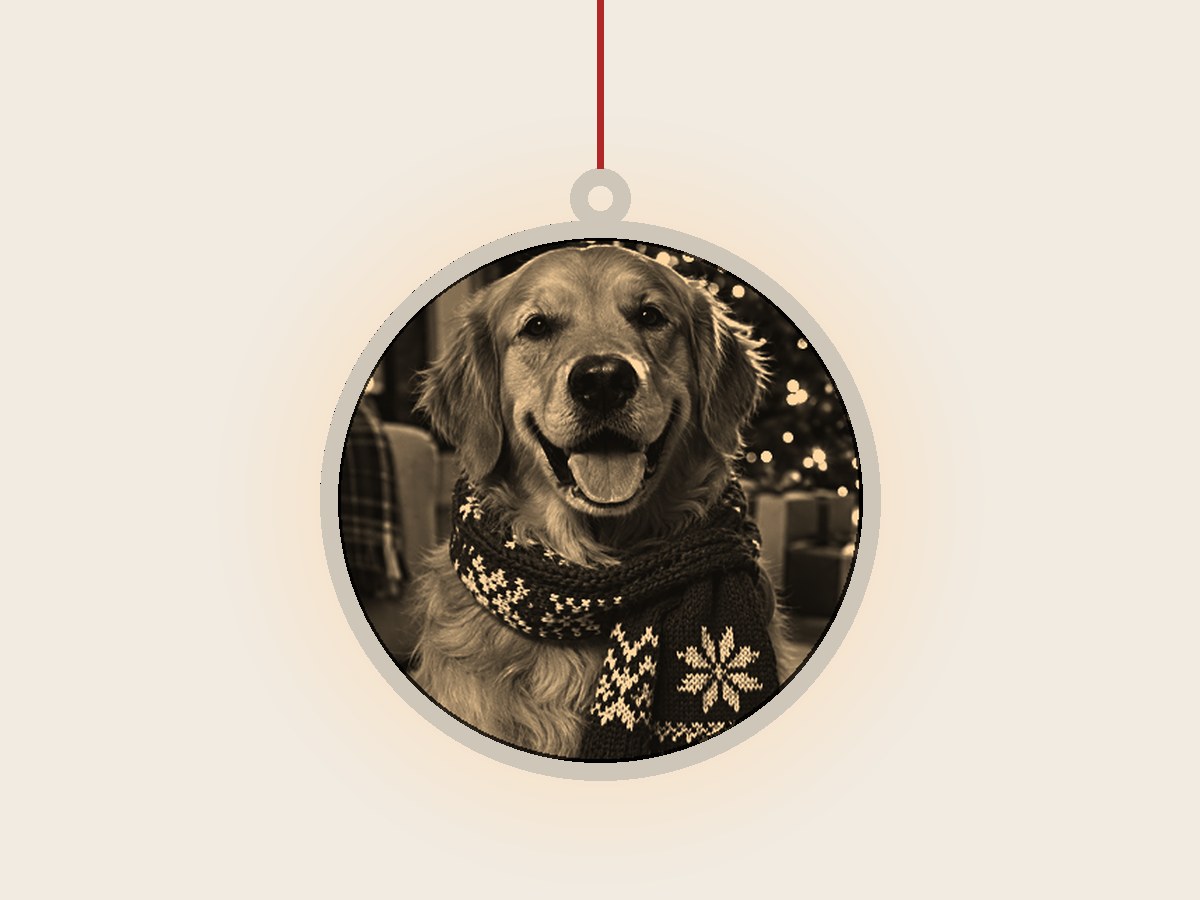 Photo giftsPersonalized photo ornamentFits any photo you send; you approve the crop
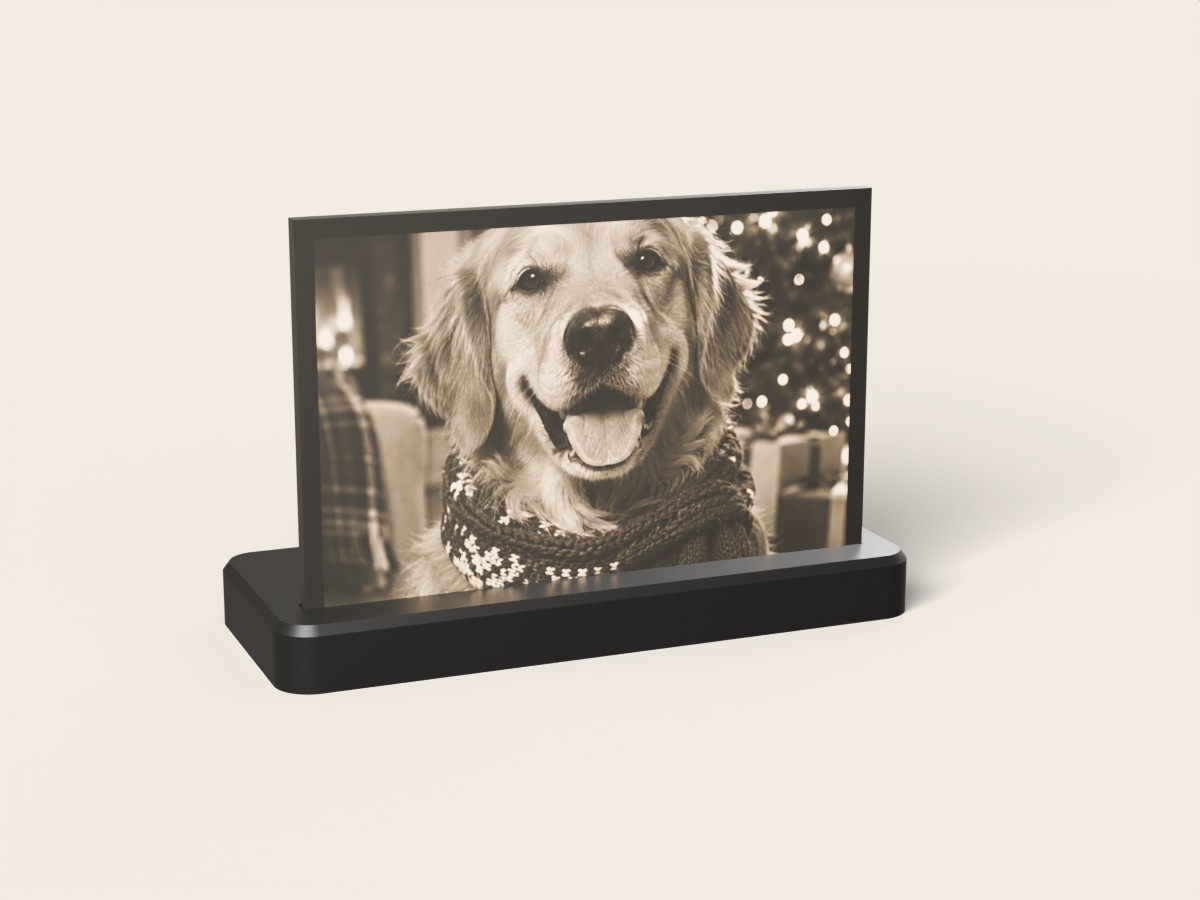 Photo giftsCustom photo lithophane lampFits any photo you send (landscape crops best)
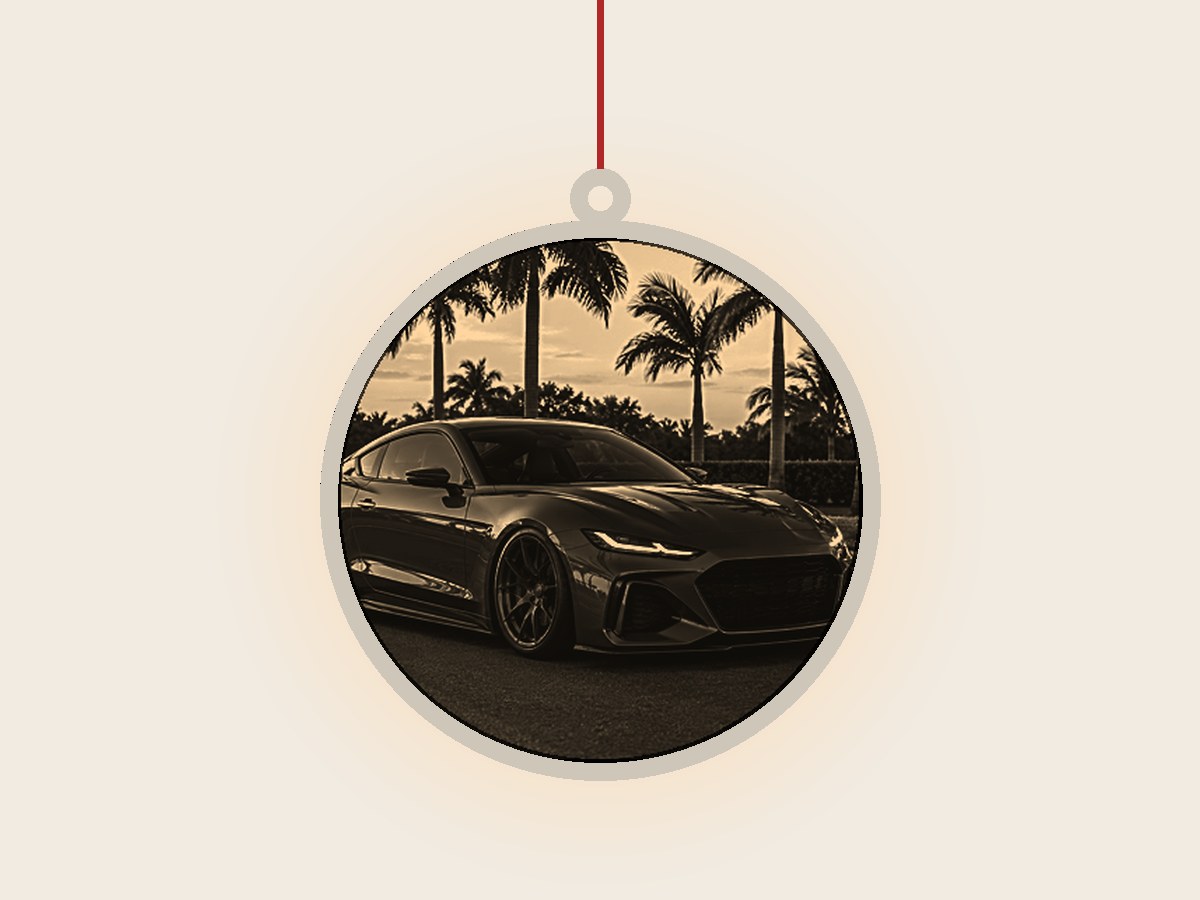 CarCustom car photo ornamentFits any photo you send; we crop it onto the car
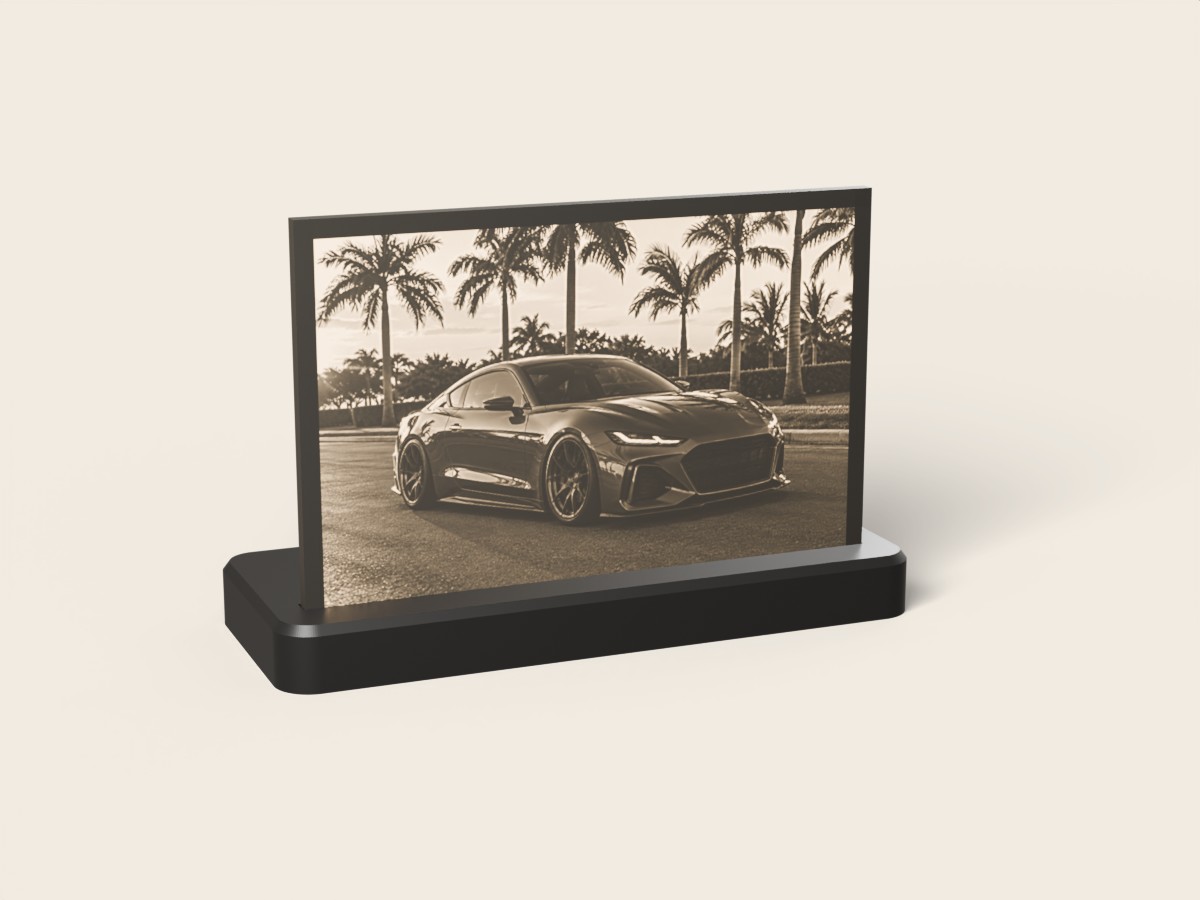 CarCustom car photo lithophane lampFits any photo you send (landscape works best)
Lamp, night light or light box
These are the same thing in different housings. A lithophane lamp or light box is a panel in a stand or frame with a light behind it. A night light is a small panel that clips over a plug-in light. The lamp here is a 128 × 88 mm panel in a stand with an LED tea light behind it, which runs cool and needs no cord.
Making one yourself
If you have a printer, the whole process is in how to make a lithophane from a photo, including the free lithophane makers and the slicer settings. Filament choice changes the result more than people expect, so that has its own page: the best filament for lithophanes.
Do they come in colour?
A classic lithophane is white and shows the photo in warm shades of grey. Colour versions exist and work differently, with thin coloured layers behind the white relief. Colour lithophanes are explained here, including when white still looks better.