The size problem
The lip being drawn here is for a BMW 4 Series Gran Coupe. From one wheel arch round to the other it's close to 1.9 m. The printer's bed is 256 mm. So the lip is drawn as one continuous shape that follows the bumper's lower edge, then cut into sections that each fit the bed.
On a 250 mm class printer that comes out to 11 sections: seven across the middle and two for each corner, every one about 200 mm square on the bed. One complete corner is a nine-hour print.
How the pieces join
A butt joint with glue won't last: the lip flexes every time the car hits a bump, and all of that flex lands on the seams. Two things make a sectioned lip hold together.
- Interlocking ends. Each section keys into the next with pegs or dovetail tabs, so the pieces can't slide past each other or pull apart sideways.
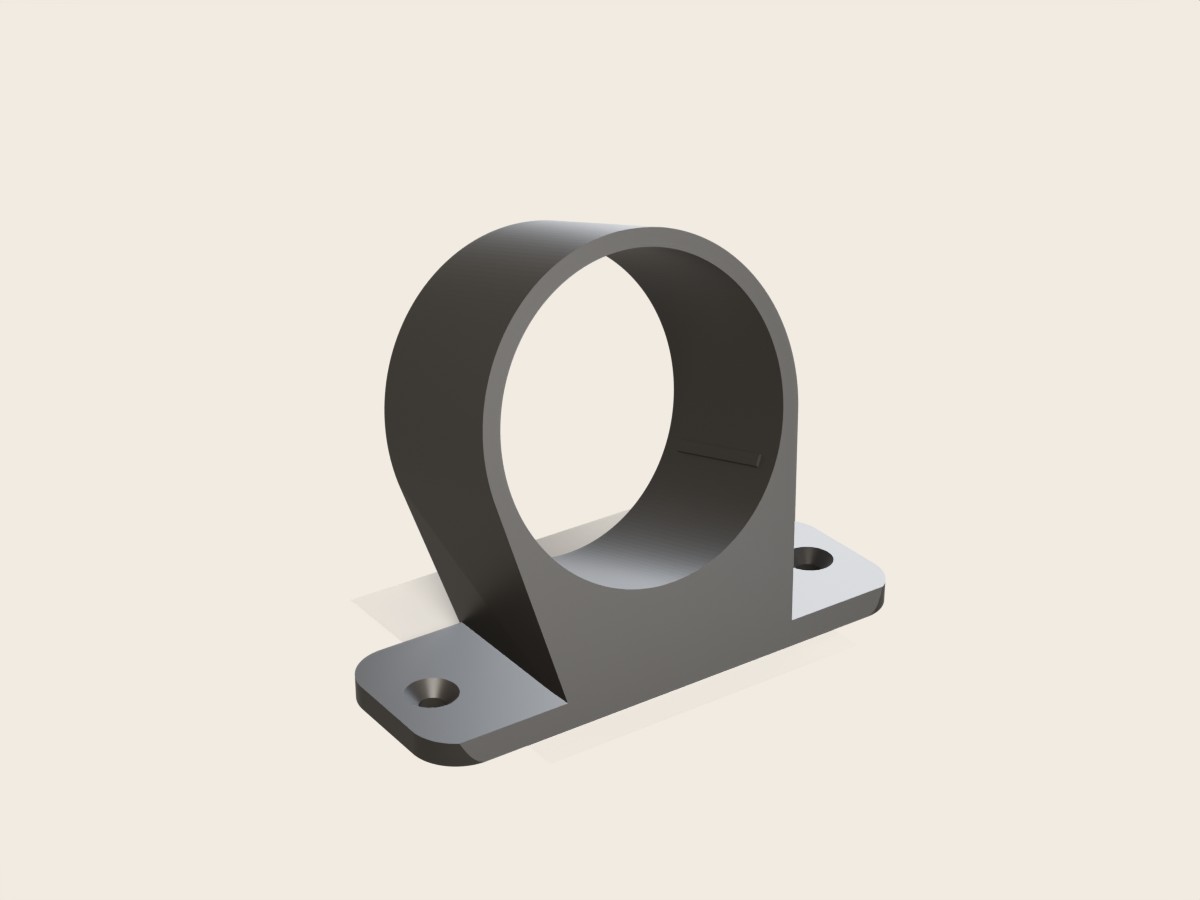
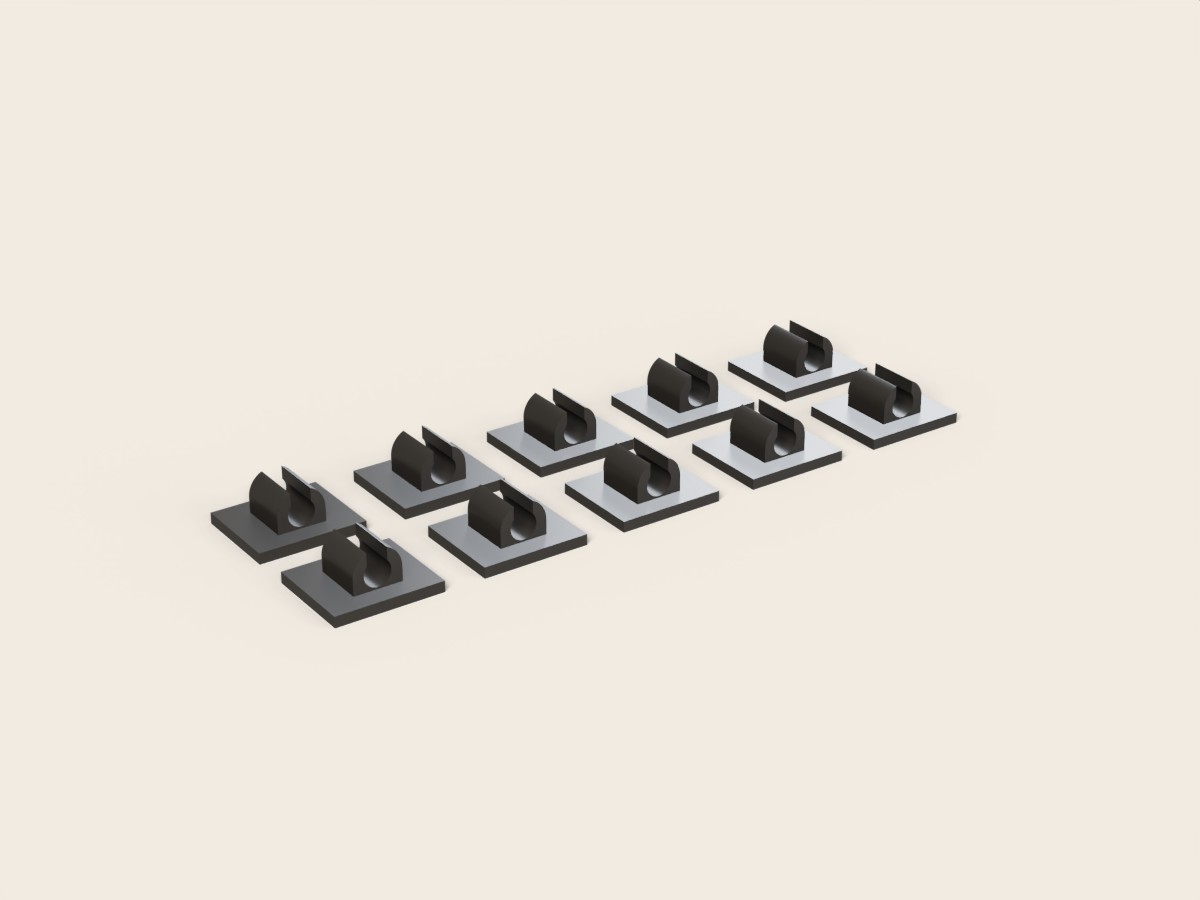
- Fixings at close spacing. Every section is held to the car on its own, so no piece depends on its neighbour to stay on. The usual way is screws up into the underside of the bumper. The lip here is being built to hang from brackets on the screws the car already has, so nothing gets drilled.
For a lip that comes in bigger parts, like a centre and two corners, flat splice plates behind each joint with M4 screws do the same job.
Which plastic
| Plastic | On a front lip |
|---|---|
| ASA | The right one. Made for outdoor parts: holds its shape in summer heat and doesn't chalk or go brittle in the sun. Needs an enclosed printer. |
| PETG | Works. Tougher than ASA against knocks, fine in the heat a bumper sees, and prints on an open printer. Fades faster in years of sun unless it's painted. |
| Nylon carbon fibre | Stiffest and most heat-proof, and the matte finish hides layer lines. Costs the most. |
| PLA | No. It softens in a hot car park and cracks outdoors. See which plastic survives a hot car. |
Getting the shape to match the bumper
This is where most printed lips go wrong. A lip that's drawn as a straight strip and bent into place leaves gaps, and gaps catch air at speed. The top face has to follow the real curve of the bumper, and the only way to get that is to measure it: from a 3D scan of the bumper, or from a careful set of photos and measurements.
Trim levels matter too. A sport-package bumper and the standard one on the same car are different shapes, so a lip drawn for one won't sit flat on the other. The year, the model and the trim all go into the drawing.
Finish
Straight off the printer a lip has visible layer lines and seams between sections. For a factory look: fill the joints, sand, prime with a filler primer and paint, or wrap it. Matte black hides the most with the least work.
What it's good for, and what it isn't
A printed lip is a cosmetic part. It changes how the front of the car looks and it's cheap to replace one section when it meets a kerb, which is the real advantage over a one-piece lip. It isn't a tested aerodynamic part and shouldn't be sold as one.
Where the BMW lip stands
The 4 Series Gran Coupe lip is still in development: the shape is drawn and cut into printable sections, the first test corner showed the mounting clips needed a redesign, and the finished lip hasn't been fitted on the car yet. The build log has the renders and the details. It will go in the shop once it has been printed, fitted and photographed on a real bumper. If you want a lip for a different car, the same process applies, and it starts with photos and measurements of your bumper.