What prints well
The parts that make sense are the small plastic pieces carmakers charge a lot for, stop making after a few years, or never made at all:
- Broken trim clips and retainers. The little tabs that hold door cards and panels on. They snap during every interior job, and dealers sell them in bags of 50 if they still sell them at all.
- Interior covers and caps. Missing screw covers, switch blanks, the cupholder insert that cracked.
- Mounts. Phone, dash cam and radar detector mounts that fit your dash instead of a universal suction cup.
- Gauge pods. A pod that fits a 52 mm boost or oil pressure gauge into a vent or the A-pillar.
- Knobs and buttons. Shift knob adapters, replacement HVAC knobs, keycap-style buttons.
- Organizers. Console trays, visor clips, headrest hooks, wire clips that keep the dash cam cable out of sight.
For old cars this is often the only option. A cracked vent tab on a 20-year-old car has no part number left to order.
What should never be printed
Anything where a failure puts you or someone else in danger. That means brake, steering and suspension parts, seat belt hardware, airbag covers, wheels and lug parts, and anything in the fuel system. Printed plastic is made in layers, and it can split along a layer line under a sudden load in a way molded or forged parts don't. Under the hood is mostly out too: near the engine and exhaust it gets hotter than any common printing plastic can take for long.
If a part is holding something together that matters at 70 mph, buy the real one.
The right plastic for a Florida car
This decides whether a part lasts years or warps in a week. A parked car in the sun gets far hotter inside than the air outside, and the dashboard gets hotter still. The full breakdown is here, but in short:
| Plastic | In a car |
|---|---|
| ASA | The default for anything on the dash or in the sun. Handles heat and doesn't fade or go brittle in UV. |
| PETG | Fine out of direct sun: inside the console, under seats, in the trunk. |
| TPU | Flexible. Good for pads, bumpers and grips that need to give a little. |
| PLA | Don't. It starts to soften at temperatures a closed car reaches on an ordinary Florida afternoon. |
Getting a broken part copied
Most car jobs start with a broken piece and no file. That's fine. Send the pieces, or clear photos of them next to a ruler, plus the car's year, make and model. The part gets measured and drawn, you see the price, and it's printed in the right plastic. If the original broke at a weak spot, the copy can be made thicker right there, which is something the factory part never had.
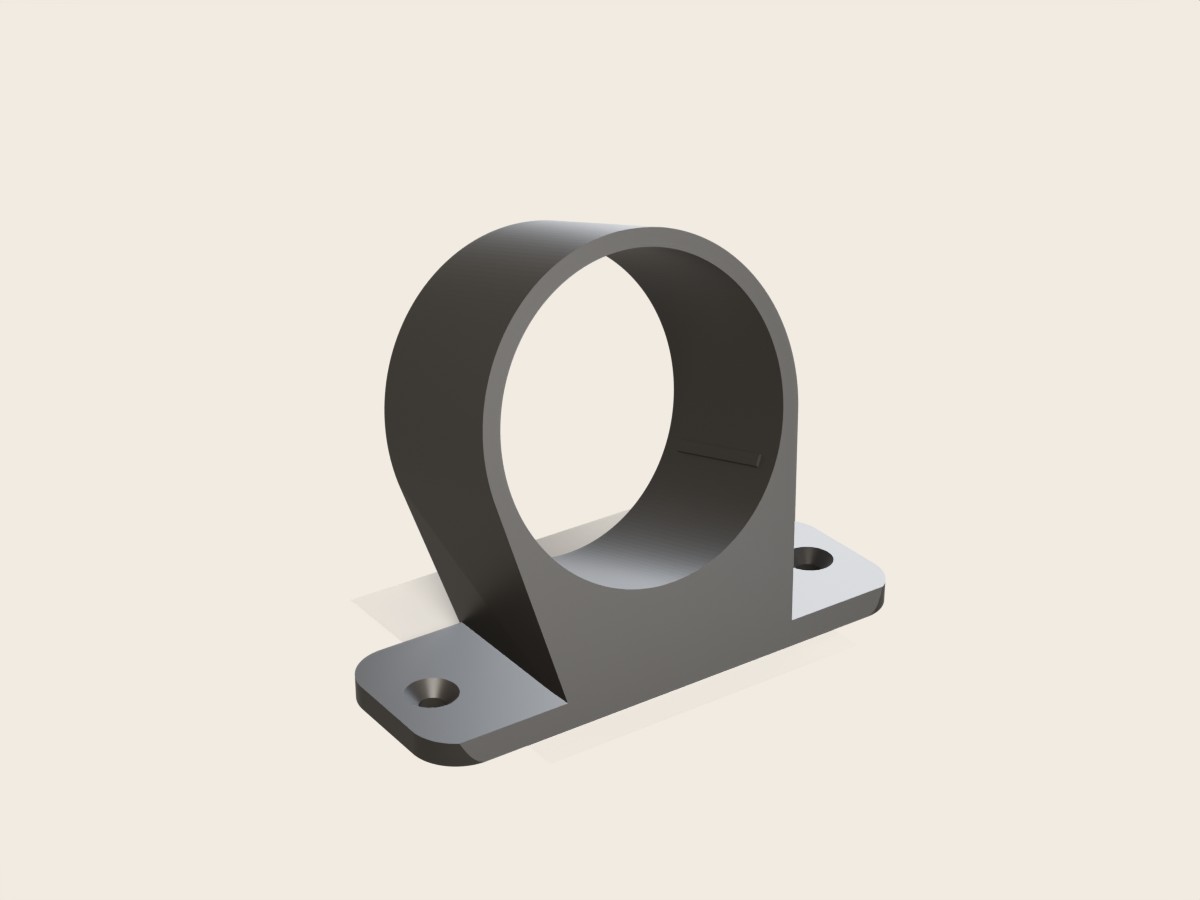 Car52 mm gauge podFits any 52 mm (2-1/16 in) gauge
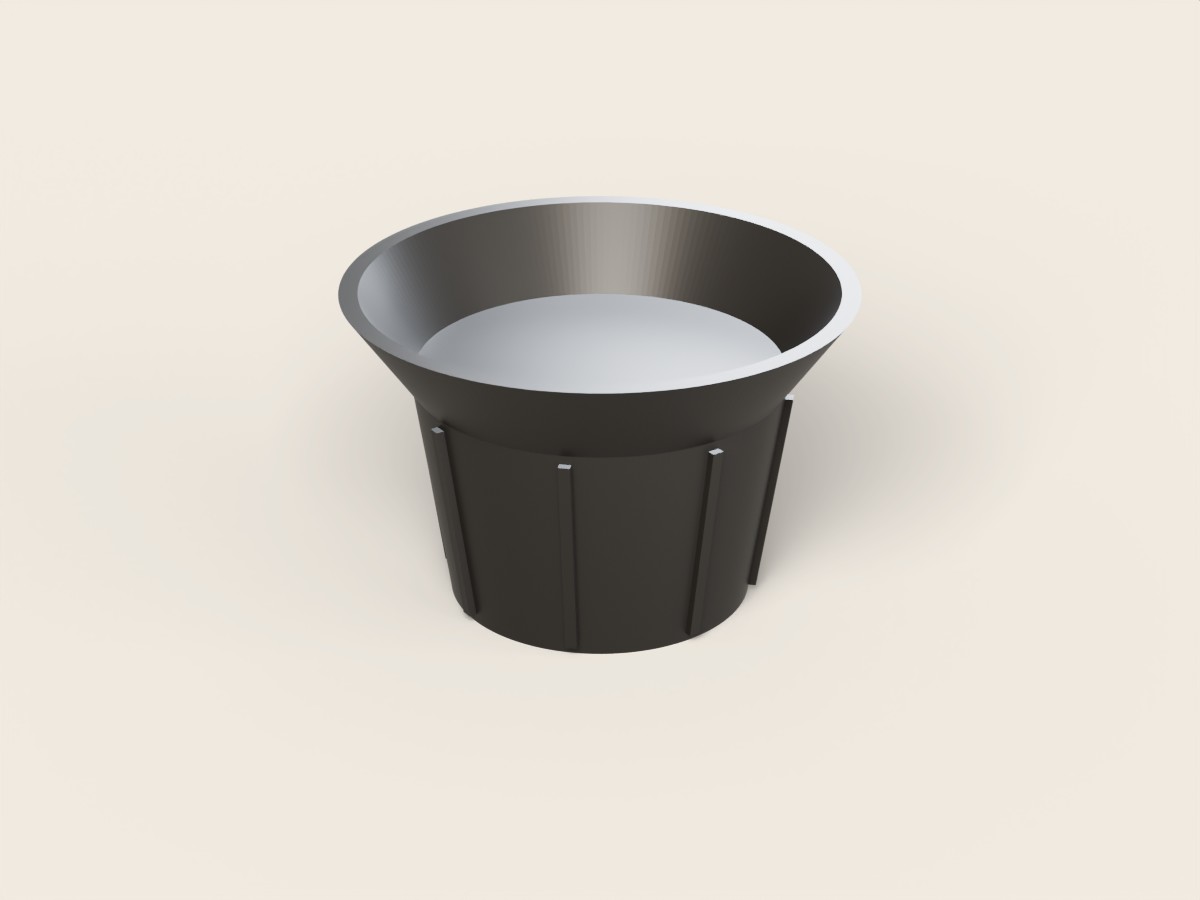 CarCupholder catch-allFits round cupholders about 66 to 80 mm across
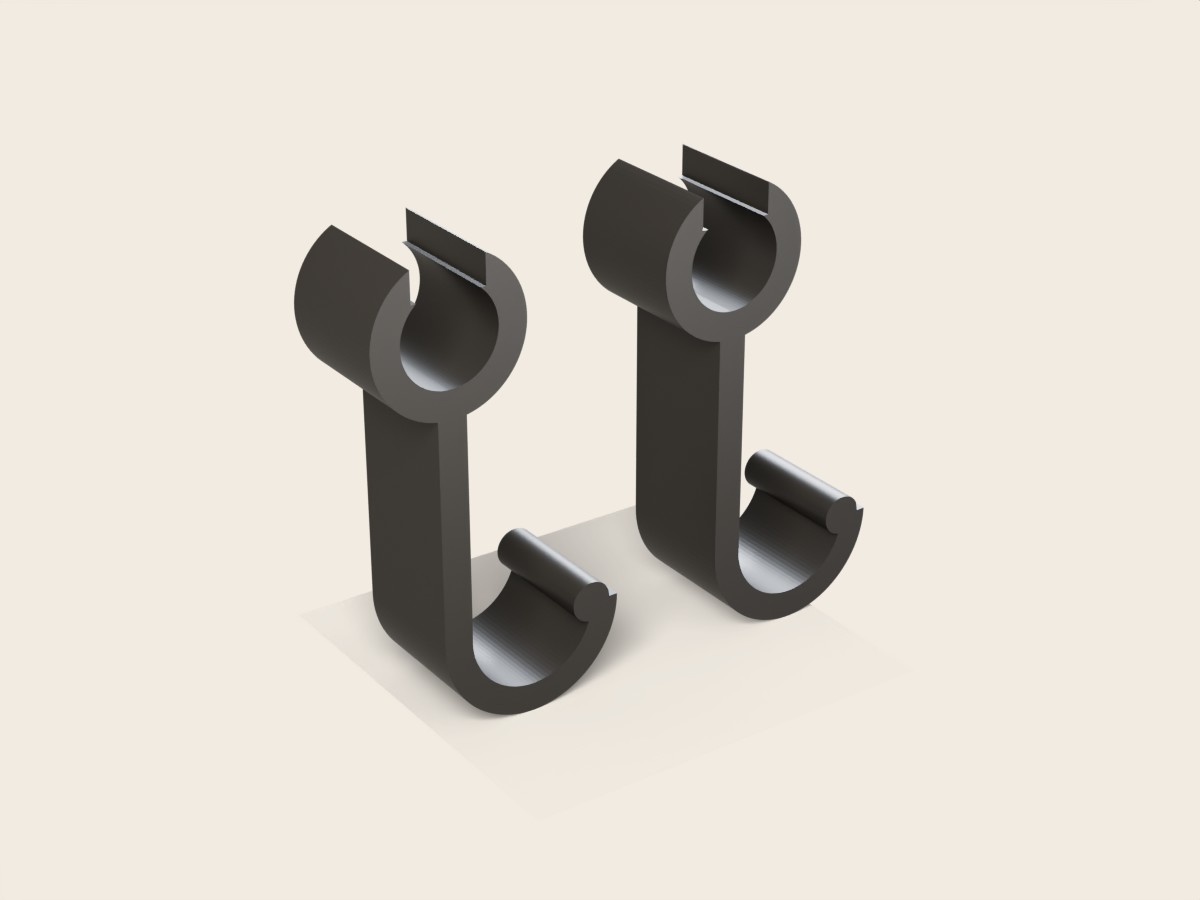 CarHeadrest hooks, pairFits headrest posts about 11 to 15 mm thick
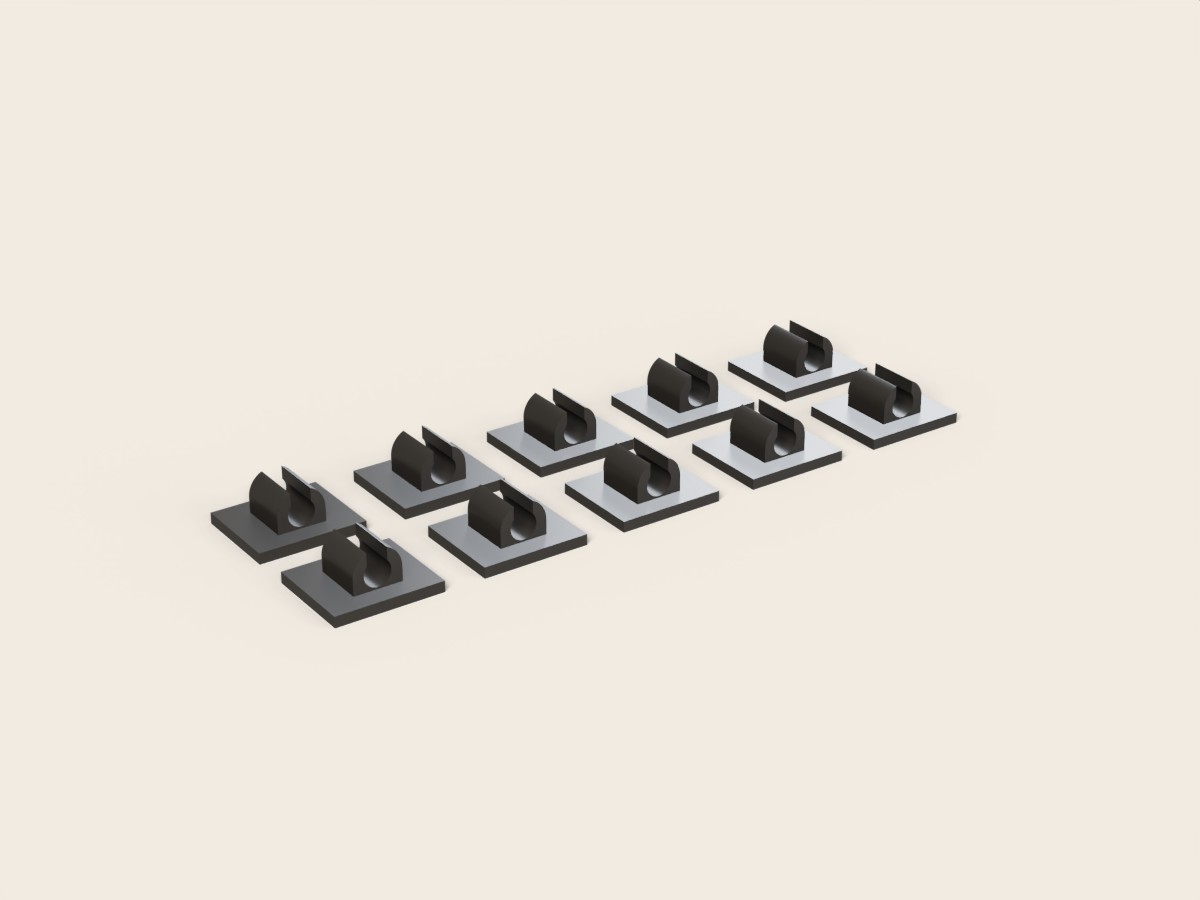 CarDash cam wire clips, 10 packFits cables 4 mm thick (3 mm and 5 mm versions on request)